Brown-cheeked Fulvetta – The Weight of Small Things
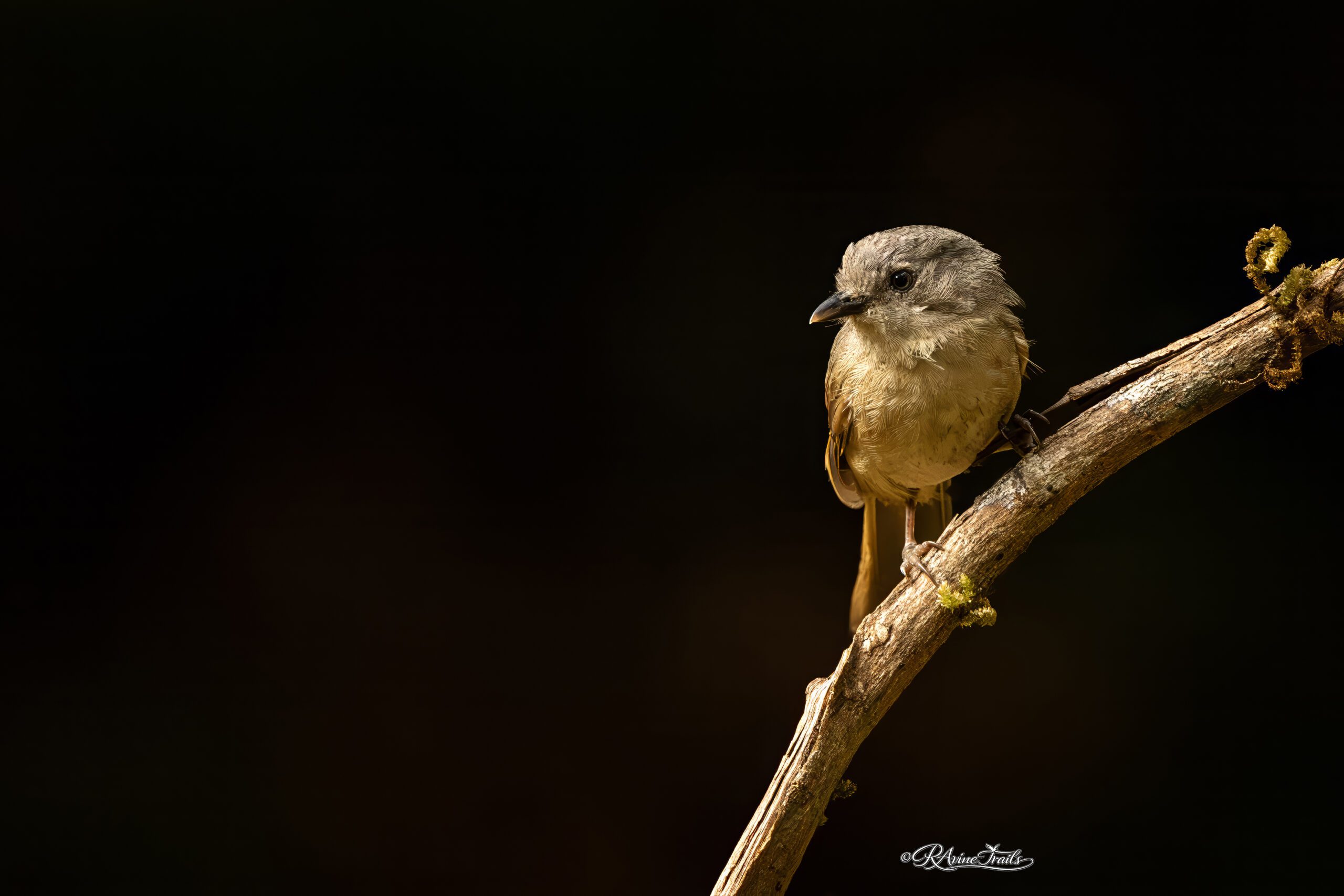
The Brown-cheeked Fulvetta is a small, social bird of dense forest understories, rarely encountered alone. Its constant movement through foliage reflects a life shaped by group dynamics and layered habitats.
Reflections
The forest does not always reveal itself through the obvious. Sometimes, it arrives as movement — a soft, collective drift through branches, a quiet restlessness that never quite settles. The Brown-cheeked Fulvetta is rarely still. It exists in fragments of motion, in brief pauses that dissolve almost as soon as they form.
You begin by noticing one.
And then, suddenly, there are many.
There is comfort in that togetherness. A sense that survival here is shared, not solitary. No loud calls, no dramatic presence — just a constant, gentle negotiation with the forest around them.
To watch them is to understand that not all life seeks attention. Some simply continues — lightly, persistently, and with quiet purpose.
Fieldcraft
This is a bird that challenges your instinct to isolate.
The natural temptation is to find a clean frame, a single subject, a moment of stillness. But fulvettas resist that narrative. They belong to movement, to groups, to layered spaces.
The approach shifts:
- Embrace controlled chaos rather than eliminate it
- Use depth — let one subject anchor the frame while others dissolve into softness
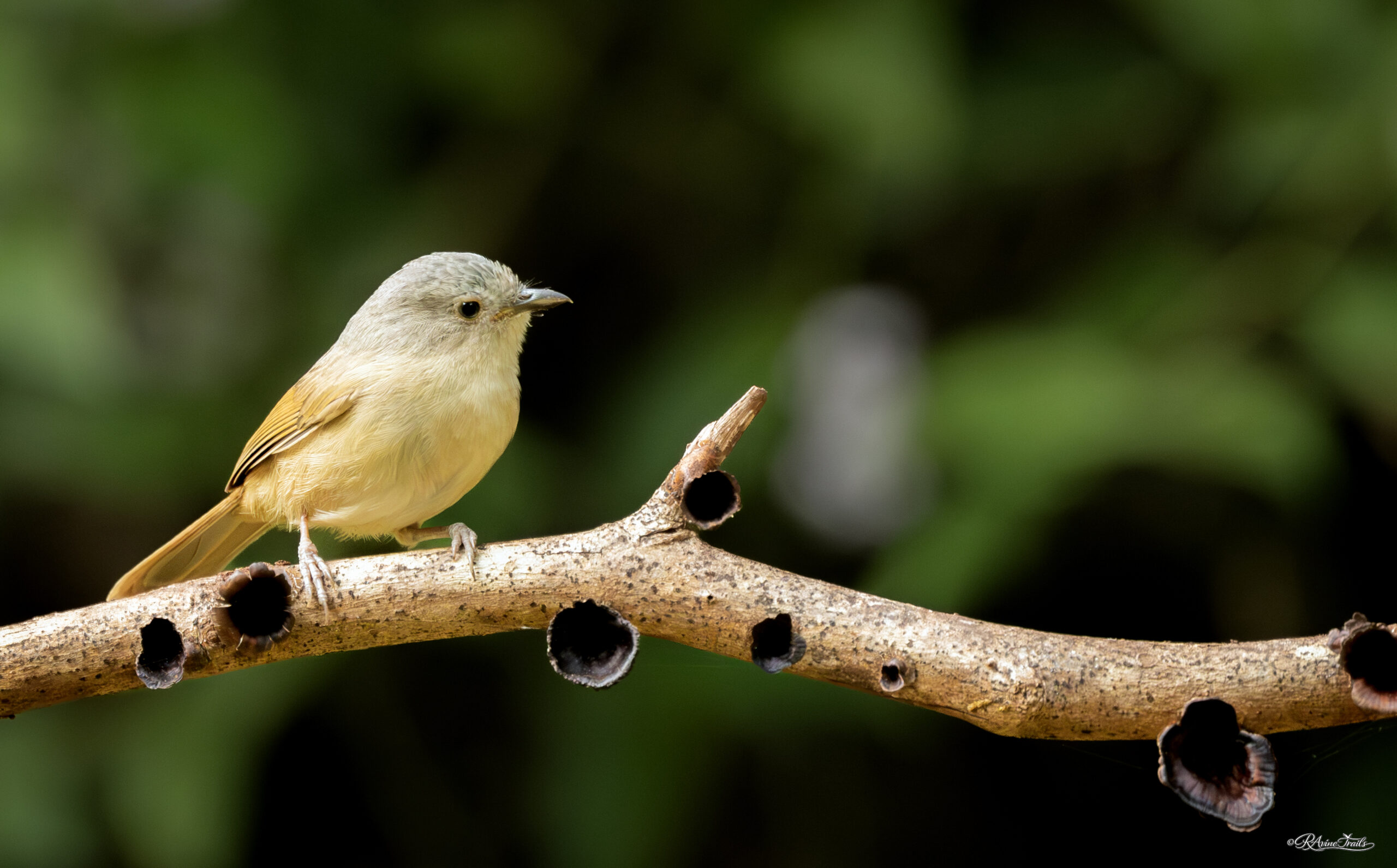
- Work with fleeting light, especially when it catches subtle textures in the feathers
Their tones are understated — browns, greys, soft washes of warmth. Overprocessing strips away their character. The image works best when it feels as light as the bird itself.
Patience is not about waiting for stillness. It is about anticipating rhythm.
Conservation Significance
The birds depend on:
- Dense, layered vegetation
- Continuous canopy that maintains humidity and microclimate
- Insect-rich environments sustained by intact leaf litter
They are sensitive to fragmentation. Break the forest into patches, simplify its structure, and species like these begin to fade — not abruptly, but steadily.
Their presence indicates a forest that is still functioning in its finer details.
Because ecosystems are not held together only by large, visible species.
They rely on networks of small, active lives — moving seeds, controlling insects, sustaining balance in ways that are easy to miss.

In the end, the fulvetta leaves you with a quiet understanding: Not everything in the forest stands out. Some things hold it together by simply being there — together, best understood not in isolation, but in motion.