The Taiga Flycatcher – A Small Presence in Passing
There is something emotionally exciting and at the same time equally humbling about encountering a bird that does not announce itself. The Taiga Flycatcher is one of them.
Reflections
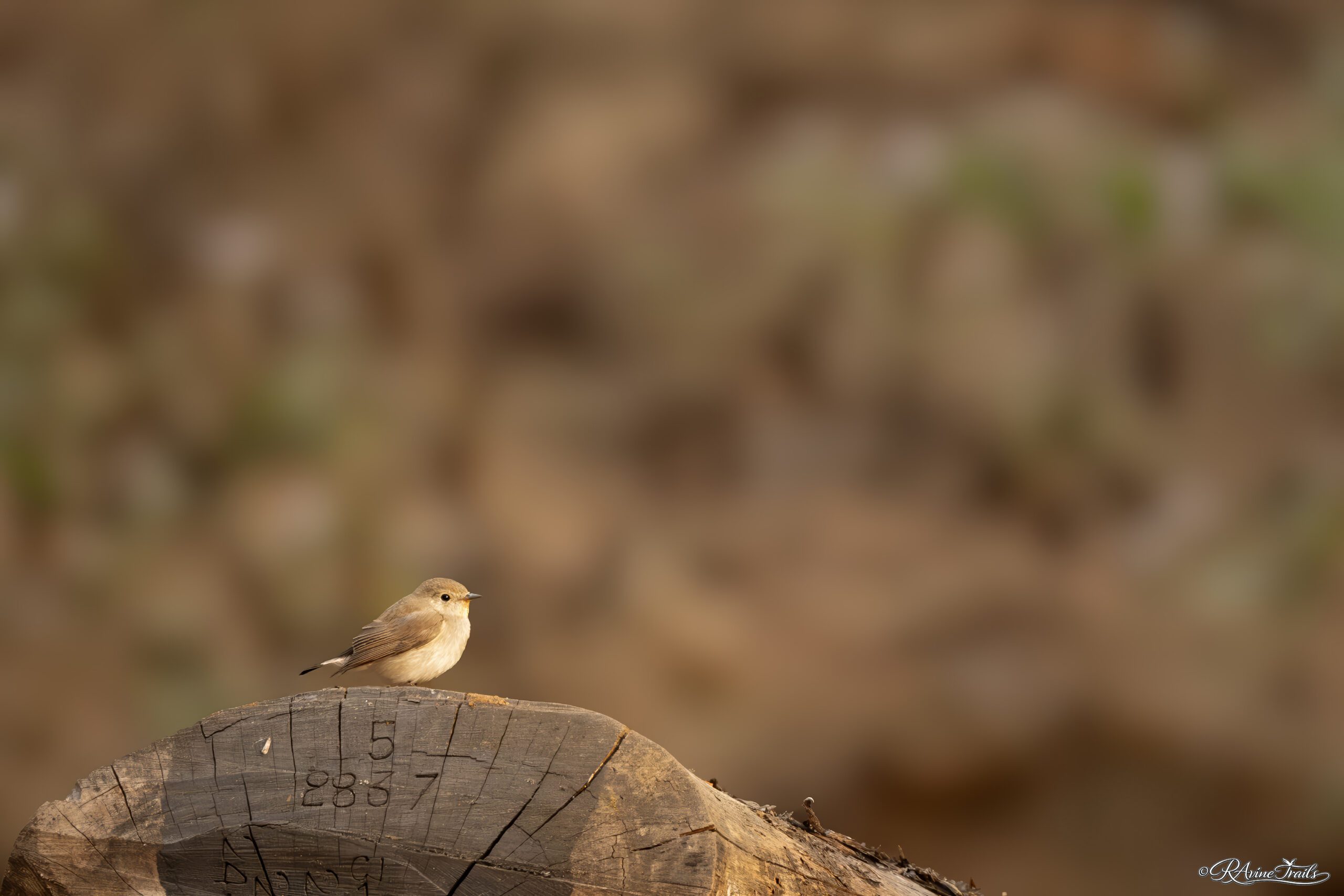
It does not arrive with colour or song that draws attention. It sits — small, composed, almost blending into the textures around it. And yet, the longer you watch, the more it reveals.
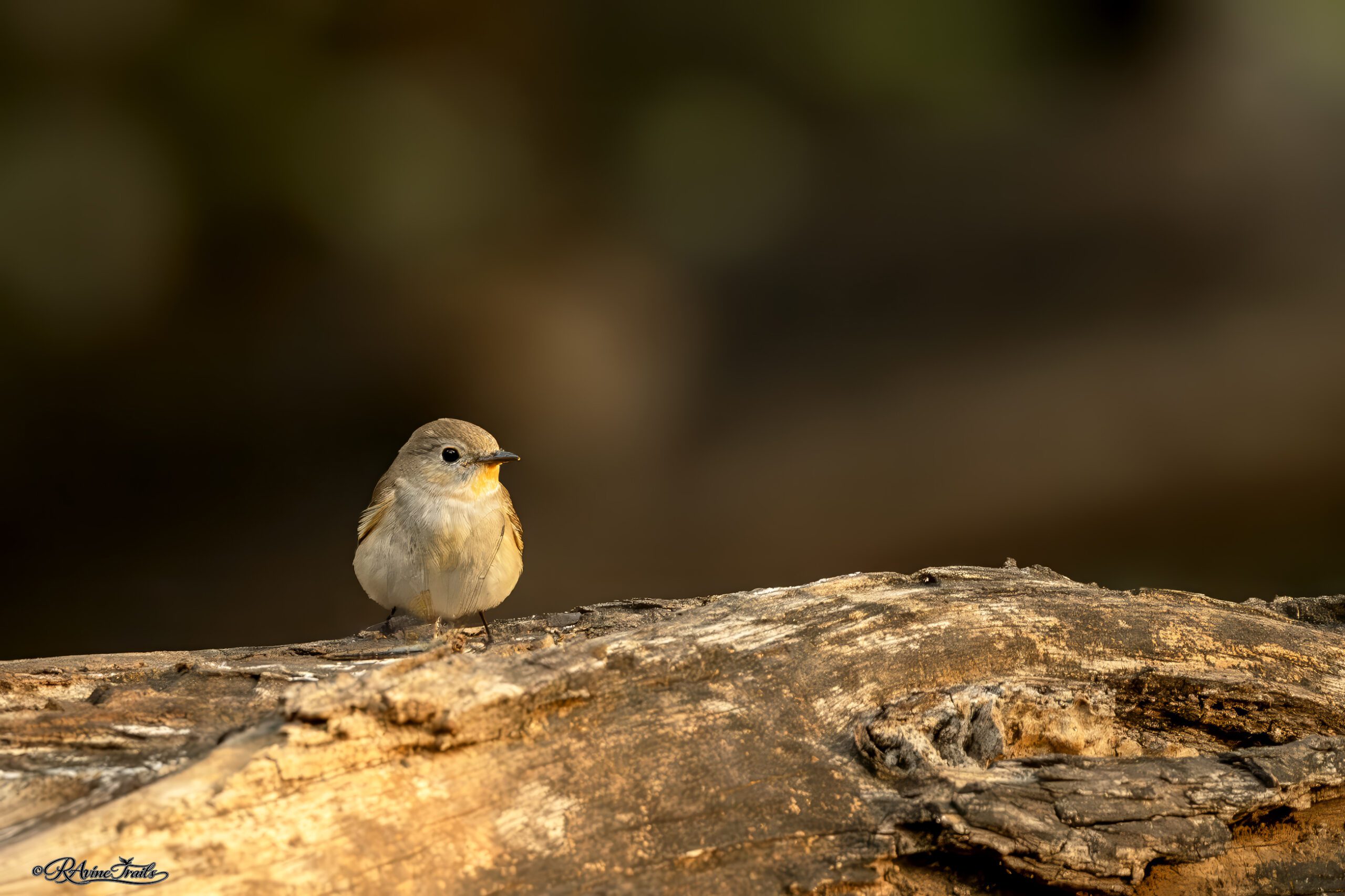
A faint warmth at the throat.
A softness in posture.
A presence that feels temporary — as if it belongs to another landscape, another season.
You do not find this bird as much as you notice it.
And once noticed, it changes how you look at everything else — slowing your gaze, sharpening your attention.
Fieldcraft
This is a bird that rarely offers drama, so the frame must create it.
The strength lies in space and proportion:
- Let the subject remain small within the frame
- Use negative space to echo its quiet presence
- Work with natural perches — deadwood, edges, subtle textures
Light becomes your primary tool. Warm, directional light can gently lift the faint orange at the throat without exaggerating it. Overworking contrast or colour risks losing the very essence of the bird — its subtlety.
Focus is not just on sharpness, but on placement.Where you position the bird within the frame defines the image more than how close you get.
Conservation Significance
The Taiga Flycatcher carries a story far larger than its size.
It is a migrant — moving across vast geographies, linking distant ecosystems. Its presence here is seasonal, dependent on the integrity of habitats not just locally, but across continents.
For such birds, survival depends on continuity:
- Undisturbed wintering grounds
- Insect-rich habitats free from excessive pesticide use
- Safe migratory pathways without fragmentation
A decline in such species is often subtle — not a disappearance, but a thinning. Fewer arrivals. Shorter stays.
And because they are quiet birds, their absence is quieter still.
In the end, the Taiga Flycatcher leaves you with a simple realisation:
Not all significance is loud. Not all beauty is immediate.
Some things ask only that you slow down enough to see them — and care enough to ensure they can return.