Black-throated Munia – The Quiet Gatherer
The Black‑throated Munia exists within the gentle rhythm of grasses, shrubs, and quiet edges where seeds ripen and small flocks move softly through the landscape.
Reflections
There is something deeply calming about their presence. These are birds shaped by cooperation with other members of its flock. They forage together, move together, and often roost in tight clusters that help them conserve warmth and safety.
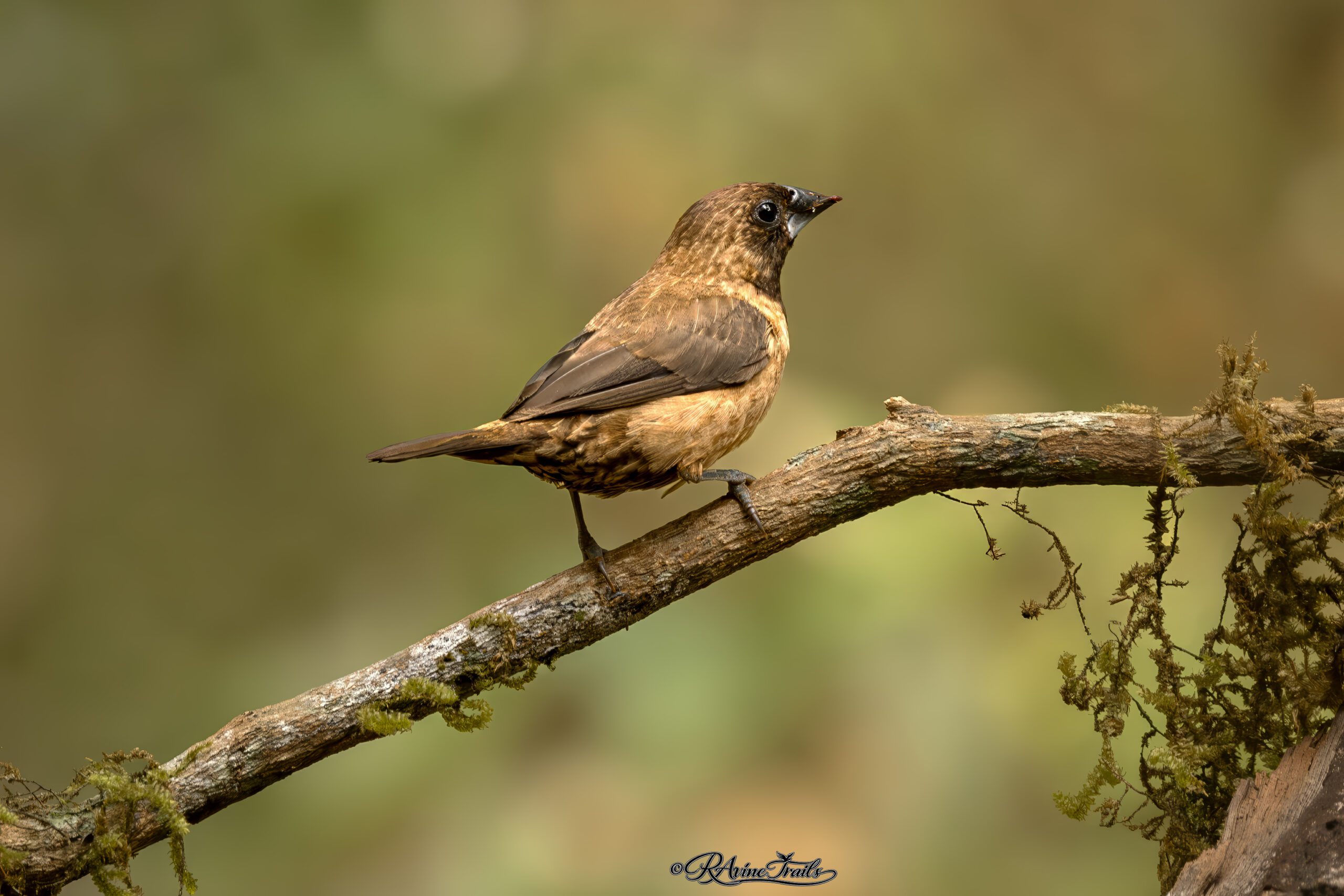
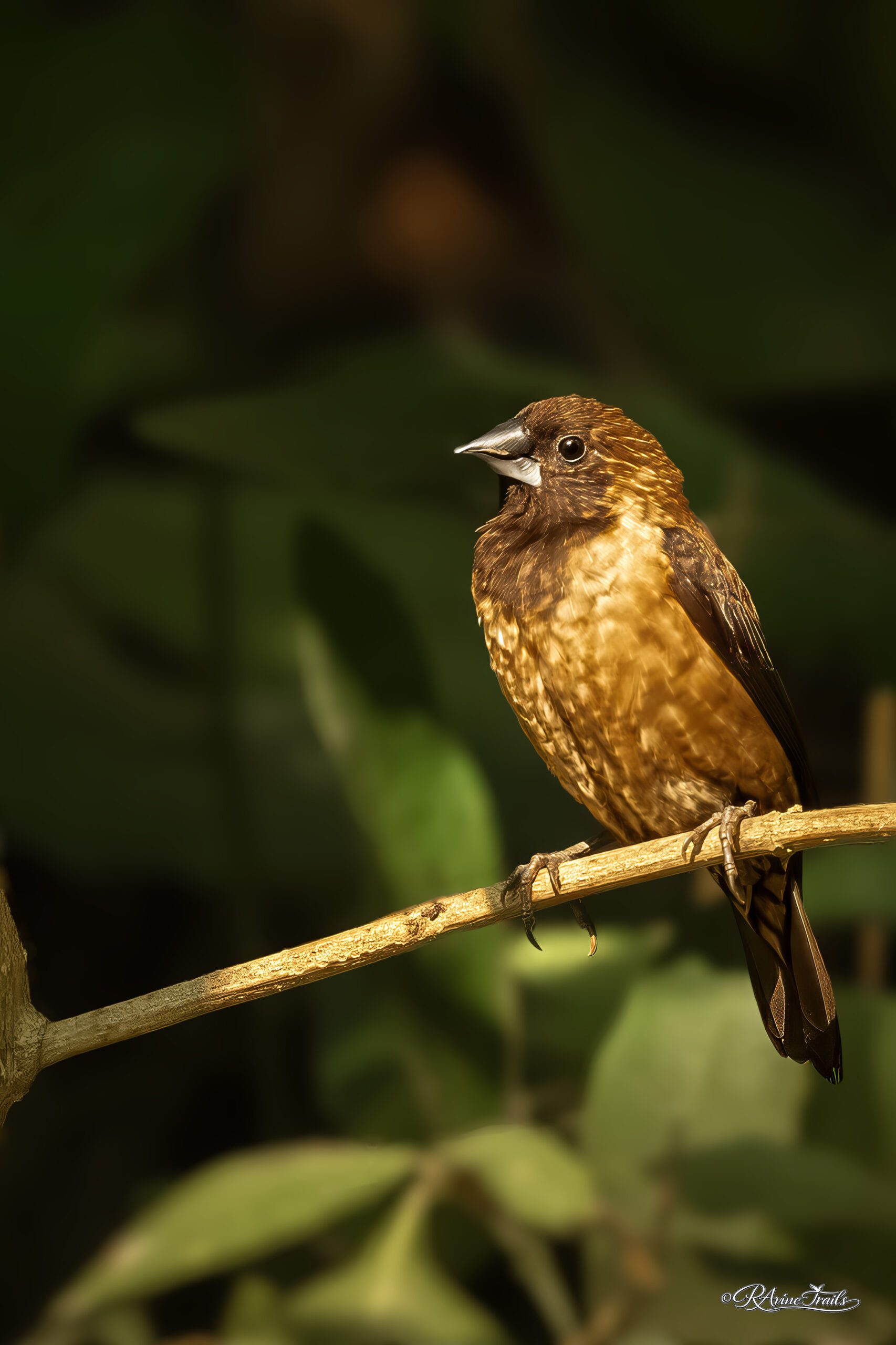
At first glance, its colours seem modest — warm browns, buff tones, and the delicate contrast of a darker throat patch that gives the bird its name. Yet the longer one watches, the more its character begins to reveal itself. The plumage carries a quiet intricacy, with subtle patterns across the breast and flanks that glow softly when caught in warm morning light.
Unlike solitary birds that defend strict territories, munias live socially. Communicating through soft contact calls as they travel between feeding patches, their lives revolve around grasses and seed-bearing plants, where they perch lightly on swaying stems, carefully plucking seeds with their strong conical bills.
Watching them is an exercise in patience and observation. A flock rarely sits still for long. One bird drops down to feed, another lifts to a nearby branch, while a third pauses to preen or scan its surroundings. The movement is constant yet unhurried — a quiet choreography that unfolds across shrubs and grasslands.
Conservation Significance
Munia’s depend heavily on grassland edges, scrub habitats, and open woodland clearings where seed-bearing plants grow freely. When such spaces are replaced by monoculture plantations, manicured lawns, or heavily cleared land, the delicate abundance of seeds they rely upon begins to diminish. And when the seeds disappear, so do the birds.
Their absence may go unnoticed by many, but within the ecology of grasslands and forest edges, these small birds play an important role — dispersing seeds, shaping plant communities, and sustaining the delicate balance between vegetation and wildlife.
Fieldcraft
For the photographer, the Black-throated Munia offers a different kind of opportunity. Its beauty is tonal and not dramatic. Warm browns, soft chestnut shades, and muted textures work best when framed against gentle backgrounds — pale greens, dry grasses, or sunlit foliage that allow the bird’s subtle patterns to emerge.
Branches with natural curves, thin perches, or grass stems can add elegance to the composition. Because munias often gather in groups, there is also the chance to capture behaviour — birds interacting, shifting positions, or feeding together in quiet synchrony.
The Black-throated Munia reminds us that not every story in the forest is written in bold colours or dramatic behaviour. Some are written quietly — in flocks that move quietly through the grass, gathering life one seed at a time.